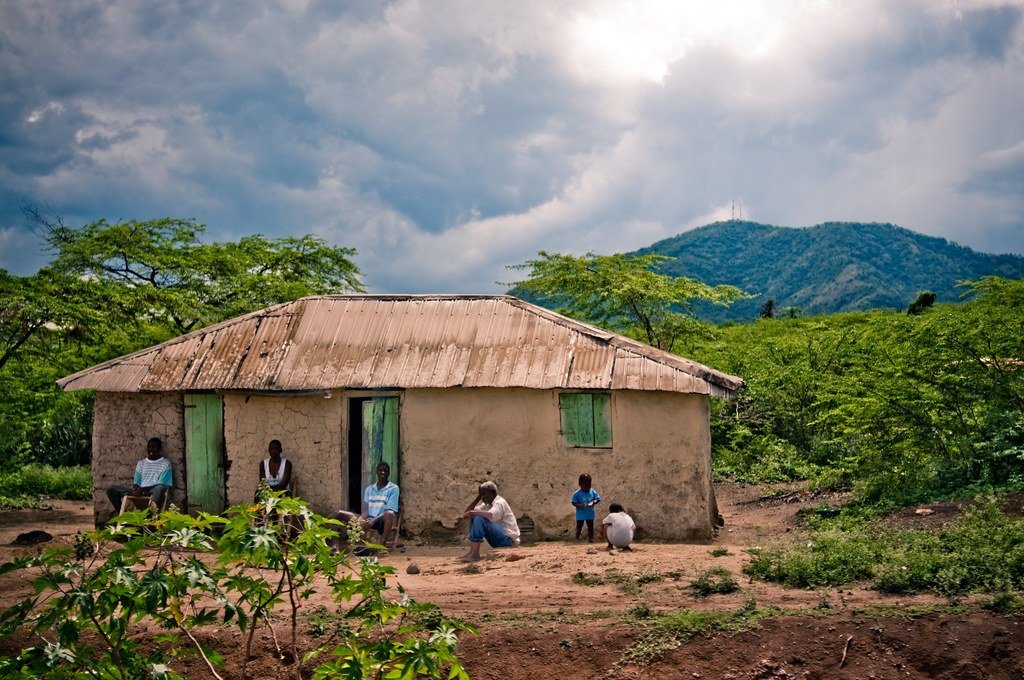
A house outside the city can cost far less than a similar home in town, yet the down payment still stops many buyers cold. Saving 10 or 20 percent takes years, and renting while saving feels like running in place. A USDA home loan exists for exactly this situation: a mortgage for low- and moderate-income buyers in eligible rural areas, offering 100 percent financing for those who qualify, with no down payment at all.
The quick answer
A USDA home loan is a mortgage backed by the Department of Agriculture for modest homes in eligible rural areas. Household income must stay under 115 percent of the area median income, the home must be the buyer’s primary residence, and the buyer must be a United States citizen, national, or qualified alien. No down payment is required.
What a USDA home loan actually is
The program most buyers mean is the Single Family Housing Guaranteed Loan Program, also called the Section 502 Guaranteed Loan Program. USDA does not lend the money directly here. An approved private lender makes the loan, USDA guarantees 90 percent of it, and that guarantee is what makes 100 percent financing with no down payment possible.
A separate USDA Direct Loan Program exists, where USDA itself lends to very-low- and low-income households at lower income limits. Most buyers mean the guaranteed program.
One feature surprises many buyers: the program has no credit score requirement of its own. USDA states that applicants are expected to demonstrate a willingness and ability to handle and manage debt. In practice, individual lenders still check credit history and many set their own minimum score, so a thin file or a past problem means closer scrutiny of payment history and rent payments.
USDA home loan income requirements
Income is the first test, and the one that confuses buyers most. For the guaranteed program, total household income must not exceed 115 percent of the median household income for the area where the home is located. Household income counts everyone living in the home, not only the people named on the loan, although some deductions apply, such as child care costs and medical expenses for elderly household members.
The limit changes by county and by household size, so there is no single national number. The free USDA eligibility tool checks both income and property eligibility for a specific address. Income must also be stable, so lenders ask for pay stubs, tax returns, and employment history, and self-employed buyers should expect to provide two years of returns.
Is the home in an eligible rural area
A USDA loan only works in an eligible rural area, and rural does not always mean remote: many small towns and suburbs on the edge of cities qualify. As a general rule, eligible areas are communities of 20,000 people or fewer, with some up to 35,000 eligible in special circumstances. The only reliable way to check a specific address is the USDA property eligibility map, because a home one street over from an eligible area can fall outside the boundary, so check the map before making an offer.
What kinds of homes qualify
The home must be a modest, single-family dwelling used as the buyer’s primary residence. USDA funds can buy, build, rehabilitate, improve, or relocate a dwelling in an eligible rural area. New and existing homes qualify, as do condominiums, modular homes, and manufactured homes. The property cannot produce income, so a buyer cannot use a USDA loan for a rental property or a home used mainly as a business. There are no set acreage limits, but the land must be typical for the area.
The home must be safe, sanitary, and structurally sound, and the lender’s appraisal notes any problems. Repairs tied to the purchase can be included in the loan in some cases, as can closing costs and reasonable customary purchase expenses.
USDA loans are offered at a 30-year fixed rate only, with no adjustable-rate or 15-year option. The rate is set by the individual lender, not by USDA, so comparison shopping between approved lenders matters. A USDA loan also carries guarantee fees that help fund the program: a 1.00 percent upfront fee on the loan amount, which most borrowers roll into the loan, and a 0.35 percent annual fee on the remaining balance, paid monthly for the life of the loan.
How to apply for a USDA home loan
1. Check income and property eligibility first
The USDA eligibility site checks the address and the income limits for the area in a few minutes, answering the two questions that decide most applications.
2. Find an approved lender
USDA publishes a searchable list of active approved lenders by state and endorses none, so compare at least two or three offers. A lender experienced with USDA loans knows the rules and will not waste time on files that cannot qualify.
3. Get preapproved
The lender reviews income, debts, credit history, and employment, then states how much the buyer can borrow. Lenders also check repayment ability using housing and total debt ratios, and USDA sets limits on both: the standard benchmarks are 29 percent for the housing payment and 41 percent for total debt, and lenders can approve up to 32 percent and 44 percent with strong compensating factors such as a high credit score or cash reserves. For a closer look at this step, see the guide to mortgage pre-approval.
4. Find a home and make an offer
Shop only inside eligible areas and within the preapproved amount. Tell the real estate agent that the purchase will use a USDA loan, because the contract and closing timeline must allow for the extra USDA review step.
5. Appraisal, underwriting, and the USDA guarantee
The lender appraises the home, verifies income and debts, and underwrites the loan, then the file goes to USDA for the guarantee. This final review can add days or weeks to closing, so buyers should not plan a move for the day after the expected closing date.
6. Close and move in
At closing, the buyer signs the mortgage documents and the loan funds, and the home must be occupied as the primary residence. Current USDA borrowers can refinance through USDA, but a new USDA purchase loan cannot refinance a non-USDA mortgage.
Worked example: the income test and the monthly payment
The numbers below are an illustrative example, not a lender quote, showing how the two main tests work.
Take a household of four in a county where the median household income is 70,000 dollars. The USDA limit is 115 percent of that figure: 70,000 dollars times 1.15 is 80,500 dollars. A household earning 72,000 dollars a year is under the limit and passes the income test. The same household earning 85,000 dollars would be over the limit and would not qualify in that county.
Now the payment. Suppose the same buyers buy a home for 200,000 dollars with 100 percent financing, so the loan is the full 200,000 dollars. At an illustrative fixed rate of 6.5 percent over 30 years, the monthly principal and interest payment is 1,264.14 dollars. That comes from the standard amortization formula: a monthly rate of 0.065 divided by 12, or 0.0054167, over 360 payments. Over the life of the loan the buyers would pay about 255,089 dollars in interest, for total payments of about 455,089 dollars. That covers principal and interest only. Taxes, homeowners insurance, and the USDA guarantee fee are extra, so the real monthly payment will be higher. Run the same numbers for a specific home with the mortgage calculator before making an offer.
Common mistakes with USDA home loans
The most expensive mistake is skipping the eligibility check and offering on a home outside the boundary. The second is counting only the borrower’s income and forgetting that household income includes other adults living in the home, so a working adult child or a parent in the house can push the household over the limit.
Another error is assuming any lender can do a USDA loan. Many cannot, and an inexperienced lender can delay closing by weeks. Opening new credit cards, financing a car, or changing jobs between preapproval and closing also hurts. Finally, zero down payment does not mean zero cash needed: moving costs, utility deposits, and costs the seller does not cover still come out of pocket.
Pros and cons of a USDA home loan
The main advantage is the zero down payment: for a buyer without savings, that alone can make homeownership possible years earlier. The 30-year fixed rate gives a stable payment, and the program accepts buyers with modest credit histories.
The limits are real, though. The home must sit in an eligible rural area, which rules out most cities and many suburbs, and income caps rule out higher earners entirely. The 30-year fixed term is the only option, and the extra USDA review step can make closing slower than a conventional mortgage, which matters where sellers favor fast closings.
Buyers who do not qualify still have options. An FHA loan allows a small down payment and works anywhere, not only in rural areas. The guide to FHA loan requirements explains how the two programs differ, and the complete guide to home loans in the USA compares the main loan types side by side.
Frequently asked questions
Can I get a USDA loan with a low credit score?
The program sets no minimum credit score, but most lenders set their own minimums. A buyer with a low score can still qualify with a clean recent payment history and low debts.
Do I need a down payment for a USDA loan?
No. Eligible buyers can finance 100 percent of the purchase price. Buyers still need some cash for moving costs and expenses the seller does not cover.
Can I use a USDA loan to buy a home in a city?
Generally no. The home must be in an eligible rural area, usually a community of 20,000 or fewer. Check the exact address on the USDA eligibility map, because some areas near cities qualify.
How long does a USDA loan take to close?
It usually takes longer than a conventional loan because USDA must issue its guarantee after the lender approves the file, so allow extra time.
Can I refinance a USDA loan later?
Yes. Existing USDA borrowers can refinance through USDA streamline options, but a USDA loan cannot refinance a non-USDA mortgage.
A USDA home loan will not fit every buyer, but for a low- or moderate-income household buying a modest home in a small town, it removes the biggest barrier to ownership: the down payment. Check the address and the income limit first, find a lender who handles USDA loans regularly, and let the eligibility rules decide before house shopping.