If you moved to the United States recently, or you grew up somewhere that does not celebrate it, Thanksgiving can look confusing from the outside. Offices close, flights fill up weeks in advance, grocery stores run out of turkey, and everyone talks about going home for the holiday. Yet nobody hands you a guide explaining what the day actually is, where it came from, or what you are supposed to do on it. This guide answers all three questions in plain language.
Quick answer: Thanksgiving is an American holiday of gratitude, observed on the fourth Thursday of November. In 2026 it falls on Thursday, November 26. Families gather for a large meal, often featuring turkey, and many people watch a parade, watch football, or volunteer. Its roots trace back to a 1621 harvest feast in Plymouth, and it became a national holiday in 1863.
What Is Thanksgiving
Thanksgiving is a day set aside to give thanks, usually by sharing a meal with family and friends. It is a federal holiday in the United States, which means federal offices close and most schools and many businesses shut for the day. It is not a religious holiday tied to one faith, and people of many backgrounds celebrate it in their own way.
The heart of the holiday is simple: pause, look back over the year, and say thank you for what went well. For many families the meal matters more than any ceremony. People travel long distances to sit at the same table, cook together, and catch up with relatives they rarely see. The holiday also opens the Christmas season for many Americans, since the day after Thanksgiving is Black Friday, the busiest shopping day of the year.
Thanksgiving is different from most holidays because it has no gifts, no fireworks, and no single ritual everyone must follow. The shared parts are the date, the meal, and the theme of gratitude. Everything else, from the menu to the guest list, varies by family.
When Is Thanksgiving in 2026
Thanksgiving is always the fourth Thursday in November. Federal law sets the date that way, so the calendar date moves each year within a window of November 22 to November 28. In 2026, the fourth Thursday is November 26.
Here is a worked example that shows how the date is found. November 2026 begins on a Sunday, November 1. Count the Thursdays in the month: the first Thursday is November 5, the second is November 12, the third is November 19, and the fourth is November 26. That is why Thanksgiving 2026 falls on Thursday, November 26, and the day after, Friday, November 27, is Black Friday.
Canada celebrates its own Thanksgiving earlier, on the second Monday in October. In 2026 that is Monday, October 12. The two holidays share a name and a harvest theme, but they have separate histories and dates.
The History of Thanksgiving
The story most Americans learn starts in Plymouth, Massachusetts, in the autumn of 1621. English colonists, often called the Pilgrims, had survived a hard first year with help from the Wampanoag people. After a successful corn harvest, the colonists held a feast and invited their Wampanoag allies, including the chief Massasoit. That three-day gathering is remembered as the first Thanksgiving, although earlier thanksgiving feasts were held by Spanish settlers in Florida in 1565 and by other groups elsewhere.
For the next two centuries, Thanksgiving was not a fixed national holiday. Presidents and governors proclaimed days of thanksgiving from time to time, often after a harvest or a military victory. George Washington proclaimed a national day of thanksgiving in 1789, but his successors did not all follow the practice, so the holiday came and went.
The turning point came during the Civil War. Writer and editor Sarah Josepha Hale campaigned for years for a single national Thanksgiving day. In 1863, President Abraham Lincoln agreed and proclaimed a national Thanksgiving Day, held on the final Thursday of November. He presented it as a day to give thanks even while the country was at war, and to pray for healing. The last-Thursday rule held until 1939, when President Franklin D. Roosevelt moved the holiday a week earlier to lengthen the Christmas shopping season. The change caused confusion and protest, and in 1941 Congress settled the question by law, fixing Thanksgiving on the fourth Thursday of November. That rule has stayed in place ever since.
How Thanksgiving Is Observed Today
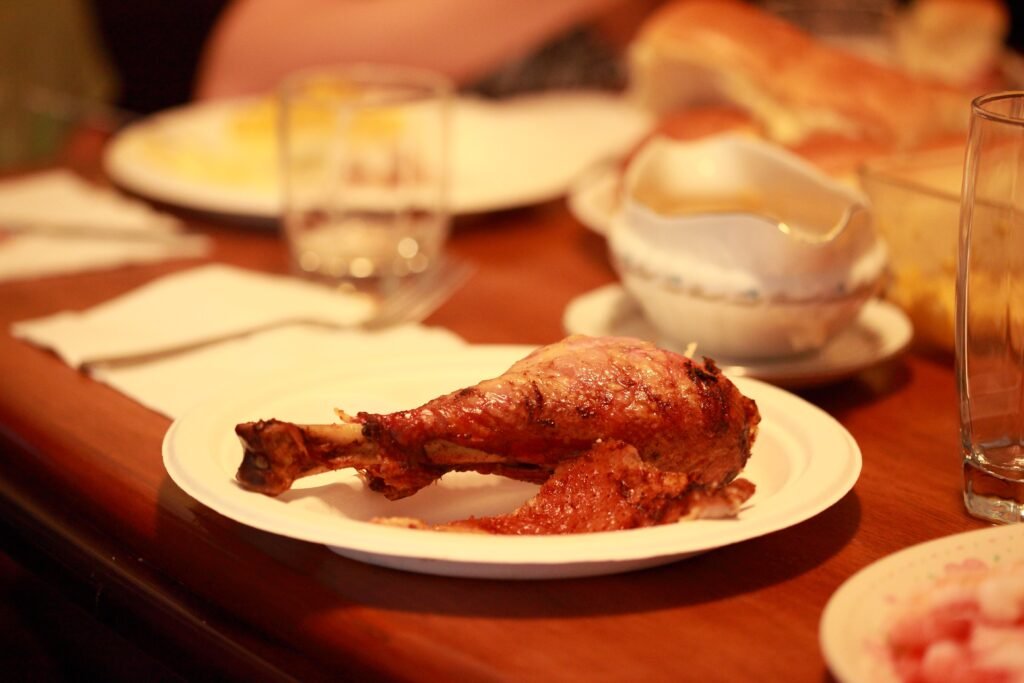
Most Americans celebrate Thanksgiving at home, around a table. The meal is the centerpiece, and the menu has become a tradition of its own. A roast turkey is the usual main dish, served with stuffing, mashed potatoes, gravy, cranberry sauce, sweet potatoes, and pumpkin pie. Families often cook for hours, and the meal is usually served in the early afternoon so there is time to relax afterward.
The holiday stretches beyond the meal. The Macy’s Thanksgiving Day Parade in New York City, with giant balloons and marching bands, is a morning tradition for many households, watched on television by people who never set foot in Manhattan. American football is another fixture, with professional games played through the day. Some families play touch football of their own, go for a walk after the meal, or watch a favorite movie together.
A holiday shop can push a month’s food spending well above normal, so it helps to know the average monthly grocery bill before you plan the menu.
Thanksgiving is also one of the busiest travel periods of the year in the United States. Millions of people fly or drive to be with family, and airports and highways are crowded for days around the holiday. If you are planning to travel, booking early and allowing extra time at the airport makes the trip far less stressful.
Giving back is part of the day for many people. Food banks run holiday drives, soup kitchens serve free meals, and volunteers spend part of the day helping neighbors who have less. Some families donate food or money before the holiday, and others serve a meal at a shelter. The theme of gratitude makes the day a natural fit for that kind of giving.
What Thanksgiving Means
At its core, Thanksgiving is about gratitude, and gratitude is something everyone can practice in their own way. Some families say grace before the meal. Some go around the table and name one thing they are thankful for. Others keep it informal, simply enjoying the time together and saying thank you to the people who cooked, hosted, or traveled.
The holiday also carries a harvest meaning. It began as a way to mark a successful harvest, and the food on the table still reflects that idea, with dishes made from autumn crops like squash, sweet potatoes, and cranberries. Even people who buy everything at a store are taking part in a tradition that began in a farming community.
Thanksgiving also invites reflection. The history of the holiday is not simple, and many Americans, including Native Americans, view the 1621 feast and what followed for Native peoples with mixed feelings. Learning that fuller history, and talking about it honestly, is part of how the holiday is understood today.
Common Mistakes and Misconceptions
A few ideas about Thanksgiving are widely repeated but not quite right.
The 1621 feast was not the holiday we celebrate now. It was a harvest gathering, not an annual national holiday. It took more than 240 years, and Lincoln’s 1863 proclamation, before Thanksgiving became a fixed yearly event.
Thanksgiving is not the same day every year. Because it is set by a rule, the fourth Thursday in November, the date shifts between November 22 and November 28. If you plan travel or a gathering, check the year’s date rather than assuming it matches last year’s.
Not everyone celebrates it the same way. Some people work on Thanksgiving, including hospital staff, emergency workers, and people in hospitality. Some families celebrate on a different day so everyone can attend. Some people spend the day alone by choice or circumstance, and many communities organize shared meals for them.
The Friday after is not a federal holiday. Many people take Friday off, and many employers close, but the federal holiday itself is Thursday only. If you are dealing with a government office, plan around Thursday, not the whole weekend.
Pros and Cons of the Holiday
Thanksgiving has real strengths. It gives families a reason to gather with no pressure to buy gifts or stage an event. It centers on a shared meal, which is one of the oldest ways people connect. It also encourages generosity, and food drives around the holiday help stock food banks for the winter.
The drawbacks are practical. Travel is expensive and crowded, and the holiday can be stressful for the person doing most of the cooking and cleaning. The meal itself can be costly, especially for a large group, and Thanksgiving dinner costs add up fast around the holiday. The day can also be hard for people who are far from family, grieving a loss, or dealing with strained family relationships. Planning early, sharing the cooking, and keeping the guest list realistic take much of the pressure off.
Frequently Asked Questions
When is Thanksgiving 2026?
Thanksgiving 2026 is Thursday, November 26. It is always the fourth Thursday in November, which is why the date changes every year. You can check the full list of Thanksgiving dates if you are planning ahead for a future year.
Is Thanksgiving a federal holiday?
Yes. Thanksgiving is a federal holiday under United States law, so federal offices close on the day. Most schools close too, and many private employers give their workers the day off.
What do people eat at Thanksgiving?
The classic meal centers on roast turkey with stuffing, mashed potatoes, gravy, cranberry sauce, and pumpkin pie. Menus vary by family and region, and some households serve ham, seafood, or vegetarian dishes instead of, or alongside, turkey.
Why is Thanksgiving on a Thursday?
The fourth-Thursday rule comes from a 1941 act of Congress, which settled the date after decades of change. Before that, Lincoln’s 1863 proclamation had set the holiday on the last Thursday of November, and Thursday had been the customary day since the 1600s.
Do other countries celebrate Thanksgiving?
Yes, in different forms. Canada celebrates Thanksgiving on the second Monday in October. Other countries have their own harvest festivals with similar themes, though the dates, names, and traditions differ.
Thanksgiving works best when it stays close to its original idea: a table full of food, people you care about, and a moment to notice what went right this year. Whether you host a big dinner, join a friend’s table, or spend the day quietly, that simple shape is what the holiday has always been about.