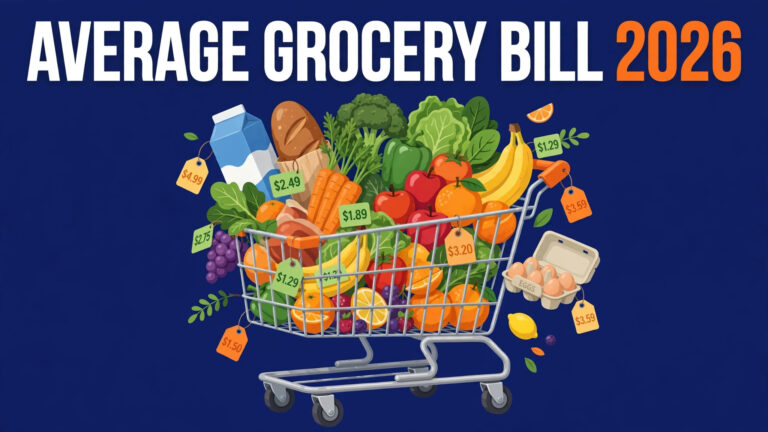
Food is the biggest recurring cost of owning a dog, bigger than insurance and bigger than routine vet care in most years. Yet most owners have only a vague idea what they spend. The honest range is wide: feeding a dog costs anywhere from 30 dollars a month for a small dog on basic kibble to 250 dollars a month for a large dog on premium food. The average owner lands around 50 to 90 dollars a month.
This guide breaks down dog food cost by size, food type, and budget, and ends with the cat numbers too, since cat owners ask the same question.
Dog food cost by dog size
Size is the biggest driver, because a big dog simply eats more calories. A small dog eats roughly 200 to 400 calories a day. A large dog eats 1,200 to 1,600 calories a day or more. Same food, four times the quantity.
| Dog size | Weight | Monthly cost, basic kibble | Monthly cost, premium or wet |
|---|---|---|---|
| Small | Under 20 pounds | 30 to 60 dollars | 50 to 150 dollars |
| Medium | 20 to 50 pounds | 50 to 120 dollars | 80 to 250 dollars |
| Large | Over 50 pounds | 80 to 250 dollars | 150 to 400 dollars |
For a 50 pound adult dog on a mid tier kibble, expect 45 to 70 dollars a month before toppers or treats. Add 15 to 25 dollars if you mix in wet food or prescription formulas.
Dog food cost by food type
Dry kibble. The cheapest option at roughly 50 cents to 2 dollars a day. A bag lasts weeks, it stores well, and it is easy to measure. Most owners feed primarily kibble for exactly this reason.
Wet or canned food. Three to four times more expensive than kibble for the same calories, because you are paying for water weight and packaging. Wet food helps picky eaters, seniors, and dogs that need extra hydration, but feeding wet only can triple a monthly bill.
Raw food. Popular and pricey, with wide cost variation depending on sourcing. Raw feeding also needs careful handling and balanced nutrition planning, so the hidden cost is your time and the risk of getting the balance wrong.
Prescription diets. The most expensive category, and sometimes unavoidable. Kidney diets, allergy diets, and gastrointestinal formulas cost 30 to 60 percent more than standard food. For dogs with diagnosed conditions, this is medical spending, not luxury spending.
The mistake that inflates every food budget
Most owners compare foods by price per pound. That is the wrong number. Two foods at the same price per pound can cost very different amounts per day if one packs more calories per cup. A food with 535 calories per cup needs fewer cups than a food with 350 calories per cup, which closes much of the price gap.
Always calculate cost per day: bag price divided by days the bag lasts at your dog’s daily portion. Cost per 100 calories is the cleanest comparison of all. This single habit can save 10 to 20 dollars a month without changing food quality.
How to cut dog food costs without cutting quality
Buy bigger bags. A 30 to 40 pound bag costs 28 to 44 percent less per pound than a 15 pound bag. Store it sealed and cool so the last cup is as fresh as the first.
Use autoship. Subscription delivery typically saves 10 percent per order and prevents emergency pet store runs at full price.
Measure portions. Overfeeding wastes food and adds weight, which adds vet bills later. A kitchen scale beats a scoop for accuracy, and most dogs do best on two measured meals a day.
Choose mid tier over premium for healthy dogs. Above a certain tier, extra price buys marketing, sustainability claims, or boutique ingredients rather than measurable nutrition. For a healthy dog, a mid tier brand that meets established nutritional standards is the value sweet spot.
Transition slowly. Switching foods over 7 to 10 days, swapping about 25 percent at a time, avoids stomach upset that can waste a whole bag.
How much does cat food cost per month
Cat owners spend less, because cats eat less. A healthy adult cat eats about 200 to 300 calories a day. Dry cat food runs roughly 15 to 40 dollars a month. Wet cat food runs 40 to 80 dollars a month. A realistic health focused plan lands around 25 to 60 dollars a month per cat: all dry at the low end, one wet can a day plus dry at the higher end.
Premium and raw cat diets push higher: grain free formulas run 45 to 90 dollars a month, specialty diets 56 to 112 dollars, and raw diets 68 to 170 dollars. Kittens cost 30 to 75 dollars a month because they need energy dense food. Senior cats with health problems run 40 to 110 dollars a month on specialty diets. Litter adds another 8 to 25 dollars a month on top of food.
Frequently asked questions
How much does it cost to feed a dog per month on average?
The average owner spends 50 to 90 dollars a month. Small dogs run 30 to 60 dollars, medium dogs 50 to 120 dollars, and large dogs 80 to 250 dollars on basic kibble.
Is wet dog food worth the extra cost?
For hydration, picky eaters, and seniors, yes. For a healthy adult dog, a kibble base with a wet topper gives most of the benefit at a fraction of the cost of feeding wet only.
What is the cheapest way to feed a dog well?
Buy a mid tier kibble in the largest bag, use autoship for 10 percent off, measure portions by weight, and calculate cost per day rather than price per pound.
How much should I feed my dog per day?
Toy breeds need roughly a quarter to 1 cup of kibble a day, small breeds 1 to 1.75 cups, medium breeds 1.75 to 3 cups, large breeds 3 to 5 cups, and giant breeds 5 to 8 cups. Always adjust for activity level and your vet’s guidance.