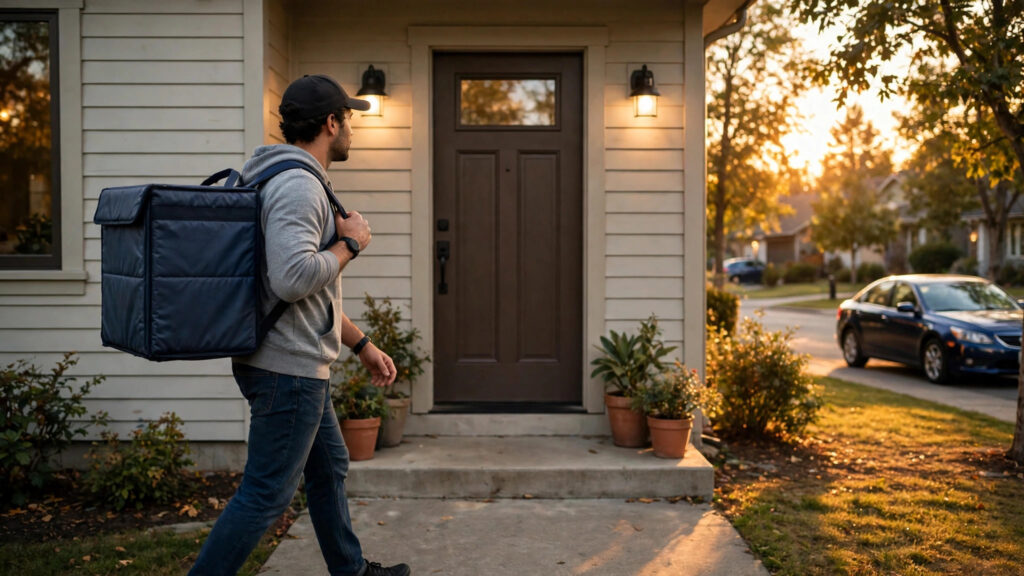
Ask ten DoorDash drivers what they earn and you will get ten different answers, because the headline number and the real number are two different things. In 2026, a typical delivery pays about $6 to $9 including the tip, gross hourly earnings commonly land between $15 and $25 during busy periods, and the broadest independent driver data puts the median closer to $11 to $13 per hour across a full shift. After gas, vehicle wear, and self employment taxes, most drivers net somewhere between $10 and $17 per hour. This breakdown shows how Dasher pay is actually built, what comes out of it, and how the top earners consistently beat the median.
How DoorDash Pay Works
Every delivery payment has up to three parts:
- Base pay: Paid by DoorDash for each delivery, typically $2 to $10 or more depending on distance, time, and how desirable the order is. DoorDash states a $2 floor in its per offer mode.
- Tips: Customers tip, and drivers keep 100 percent of tips. Tips are the larger half of income; driver data suggests base pay covers only about 42 to 43 percent of a typical trip payout, with tips making up the rest. A typical tip runs $4 to $8 per order.
- Promotions: Peak Pay adds $1 to $5 or more per delivery during lunch, dinner, weekends, and bad weather rushes. Challenges and streak bonuses pay extra for completing set numbers of deliveries.
Drivers choose between two modes in many markets. Earn per Offer pays per delivery with the total shown upfront, so you can decline bad orders freely. Earn by Time pays a guaranteed hourly rate for active time, from accepting an order to dropping it off, plus tips. The catch is that active time excludes waiting between orders, so the guarantee is lower than it first sounds.
What Dashers Actually Earn Per Hour
| Measure | Typical range |
|---|---|
| Per delivery (base pay plus tip) | $6 to $9 typical, $15 plus for great orders |
| Gross per hour, peak periods | $19 to $25 |
| Gross per hour, off peak | $8 to $16 |
| Median gross per hour, full shift data | About $11 to $13 |
| Net per hour after expenses and taxes | Roughly $10 to $17 for most drivers |
| Earnings per mile driven | About $0.92 per mile on average |
Market matters enormously. Dense, high income metros with strong tipping cultures can produce $25 to $35 gross hours at peak, while slow suburban and rural zones may pay $12 to $15 gross. DoorDash itself advertises $25 or more per hour, but that figure counts only time actively on a delivery. Waiting, driving to a hot spot, and gaps between orders are unpaid, which is why shift wide medians land much lower.
The Expense Side: Gas, Wear, and the IRS Mileage Reality
Dashers are independent contractors, so every cost of the car comes out of that gross pay. The IRS standard mileage rate is the cleanest benchmark for true vehicle cost: 72.5 cents per mile for the first half of 2026, rising to 76 cents per mile from July 1, 2026. That rate bundles fuel, maintenance, tires, and depreciation.
Do the math on a typical delivery that pays $8 and takes 6 total miles of driving: at 72.5 cents a mile, the car consumed about $4.35 of that $8 before you count your time. Fuel alone might be $0.15 to $0.25 per mile in an efficient car, but tires, brakes, oil, and resale value loss are real even when they are invisible. This is why vehicle choice decides profitability: a compact hybrid running near $0.35 to $0.40 per mile in real cash costs keeps far more than an SUV or pickup, which can quietly push net pay below minimum wage.
Part Time vs. Full Time: Weekly and Monthly Scenarios
Putting the hourly figures into schedules makes the trade offs concrete. A student dashing 12 hours a week, mostly at dinner peaks, might gross $200 to $300 a week. After fuel and a mileage based vehicle cost, and after setting aside tax money, the true take home is closer to $120 to $190 a week, or roughly $500 to $800 a month of real income. A full time driver working 40 hours a week across peak and off peak periods might gross $560 to $760 a week, but the car is absorbing 800 or more miles weekly. Net of vehicle costs and taxes, that full timer keeps roughly $26,000 to $31,000 a year, with no employer benefits, no paid time off, and a vehicle wearing out years faster than a commuter car. Neither scenario is bad money for work with no schedule and no boss, but the full time math explains why experienced drivers treat DoorDash as one income stream among several rather than a career ladder.
The Tax Bill: 1099 Income and Self Employment Tax
DoorDash income is 1099 contractor income, reported on a 1099-NEC when you earn over the reporting threshold. Nobody withholds anything, so you owe federal income tax, state tax where it applies, and self employment tax of 15.3 percent on your net profit. A common planning rule is to set aside 20 to 30 percent of net earnings for taxes and pay quarterly estimates to avoid an underpayment penalty. The mileage deduction is your biggest shield: track every delivery mile from day one with an app, because at 72.5 to 76 cents per mile it often wipes out a large share of taxable income. Keep records of phone costs, insulated bags, and other supplies too.
How Top Earners Beat the Median
- Work the peaks: Lunch, dinner, weekends, and game days concentrate orders, tips, and Peak Pay into fewer hours.
- Be selective: Experienced drivers use rules of thumb like a minimum dollar amount per mile and decline orders that fail the test. Acceptance rate does not reduce base pay.
- Stack and multi app carefully: Batched orders and, for veterans, running a second app during slow gaps can raise gross hourly by cutting idle time.
- Choose zones with money: Affluent neighborhoods and office districts tip better per mile than sprawling suburbs.
- Drive a cheap to run car: Every cent saved per mile is a raise you give yourself.
- Protect your ratings: Top Dasher style status and high ratings can unlock priority access to better orders in some markets.
The Bottom Line
Realistically, most DoorDash drivers gross $15 to $25 per active hour in decent markets and net $10 to $17 per hour after vehicle costs and taxes, with full shift medians running lower and peak hour specialists running higher. DoorDash works best as flexible side income or a bridge between jobs. If you dash, track your miles and your true hourly rate from the first shift; the drivers who know their numbers are the ones who keep the work profitable.
Frequently Asked Questions
How much do DoorDash drivers make per delivery?
A typical delivery pays about $6 to $9 total, combining $2 to $10 or more in base pay with a customer tip that commonly runs $4 to $8. Strong orders with Peak Pay and big tips can pay $15 or more.
How much can you make on DoorDash in a week?
At typical rates, 20 part time hours might gross $280 to $380 and 40 hours might gross $560 to $760, before vehicle expenses and taxes. Peak focused drivers in strong markets earn more.
Do DoorDash drivers pay for their own gas?
Yes. Drivers are independent contractors and cover fuel, maintenance, insurance, and depreciation themselves. Using the IRS standard mileage rate of 72.5 to 76 cents per mile for 2026 gives a realistic picture of total vehicle cost.
Do you have to pay taxes on DoorDash income?
Yes. DoorDash pay is 1099 income. You owe income tax plus 15.3 percent self employment tax on net profit, and most drivers should set aside 20 to 30 percent and pay quarterly estimates.