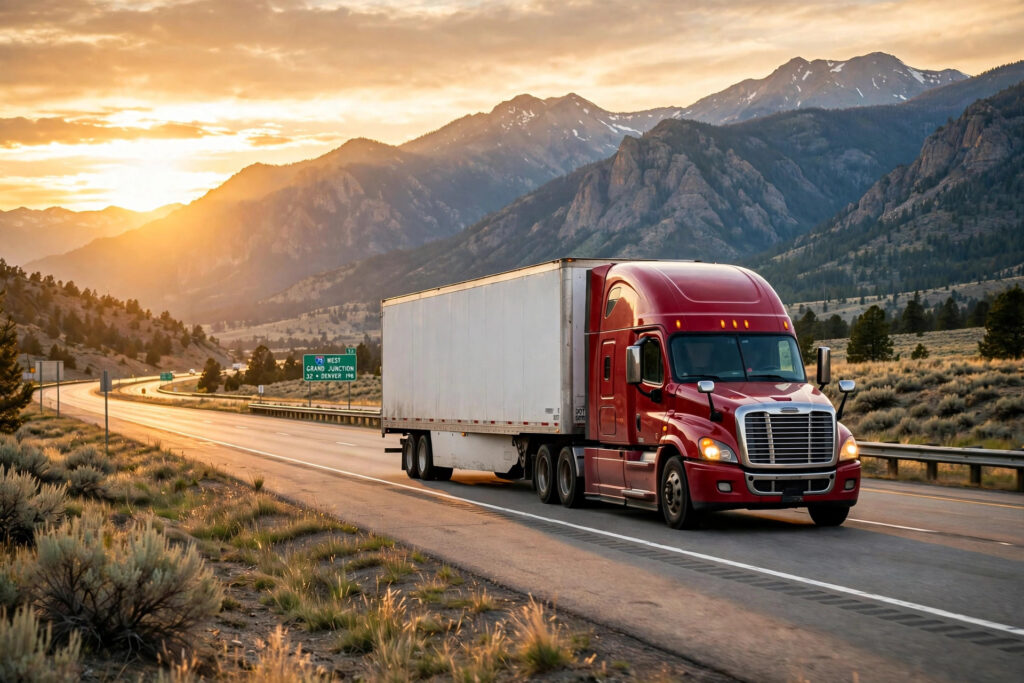
Truck driving is one of the few remaining jobs where a worker with no college degree, a commercial driver license, and a clean record can earn a solid middle-class income within a year of starting. But trucking pay is not one number. It is a stack of choices about routes, freight, endorsements, and who owns the truck. This guide uses the latest Bureau of Labor Statistics (BLS) data and current industry pay ranges to show what drivers actually earn in 2026, and which seats pay the most.
The Baseline: Median Pay of $58,640
The BLS reports that heavy and tractor-trailer truck drivers earned a median annual wage of $58,640 in May 2025, comfortably above the $50,980 median for all occupations. The lowest-paid 10 percent earned under $40,140, a range that mostly covers brand-new drivers in their first months, while the top 10 percent earned more than $79,380. Drivers working directly in the truck transportation industry did slightly better than the overall figure, at a median of $60,320.
Most long-haul drivers are not paid a salary at all. They are paid by the mile, plus bonuses, which means the annual figure above is really just miles times rate, filtered through home time, waiting time at docks, and how hard a driver chooses to run.
How Per-Mile Pay Works
Company drivers on over-the-road routes typically earn between $0.45 and $0.75 per mile in 2026, depending on experience and freight type. A driver paid $0.55 a mile who runs 2,500 paid miles in a week grosses $1,375 before taxes and bonuses. That math cuts both ways: miles not driven are not paid, so detention at a shipper, bad weather, and equipment downtime all come straight out of the paycheck unless the carrier pays detention or layover rates. Some drivers are instead paid a percentage of what each load earns, commonly around 25 percent, and local drivers are usually paid by the hour. Before signing with any carrier, ask which miles count, because household-goods miles and practical miles can differ by 5 to 10 percent on the same trip.
Truck Driver Pay by Type of Job
| Driver type | Typical annual pay | Notes |
|---|---|---|
| New company driver, first year | $45,000 to $55,000 | Lower starting mileage rate, training fleets |
| OTR company driver, experienced | $65,000 to $90,000 | Highest miles, most time away from home |
| Regional driver | $55,000 to $75,000 | Home weekly in most fleets |
| Local driver | $50,000 to $70,000 | Usually hourly, home daily |
| Team driver (per driver) | $75,000 to $110,000 | Truck runs nearly around the clock |
| Hazmat and tanker driver | $69,000 to $90,000 or more | Endorsement premiums of 15 to 35 percent |
| Owner-operator, net | $80,000 to $150,000 | After expenses, from $200,000 plus gross |
OTR, regional, and local
Over-the-road (OTR) drivers earn the most per year among company drivers because they accumulate the most miles, and published 2026 averages for OTR company drivers fall around $65,000 to $90,000. Regional drivers trade some pay for being home most weekends. Local drivers give up the mileage model entirely, usually earning an hourly wage with overtime, and accept a lower ceiling in exchange for sleeping at home.
Team driving
Two drivers sharing one truck can keep it moving close to 20 hours a day, so teams command premium freight and premium pay. Combined team earnings commonly run $150,000 to $220,000 a year, which splits to roughly $75,000 to $110,000 per driver. The catch is obvious: you live in a moving truck with another person, and your sleep schedule follows the freight.
Owner-operators: gross is not income
Owner-operator numbers look spectacular until expenses enter the picture. Industry surveys put average owner-operator gross revenue around $228,000 a year, but fuel, maintenance, tires, permits, tolls, truck payments, and taxes come out of that figure first. After expenses, net income for most owner-operators lands between $80,000 and $150,000, with disciplined operators on good lanes at the top and anyone with a major engine failure or a weak freight year at the bottom.
One cost that surprises new owner-operators is commercial truck insurance. Coverage for a driver running under their own authority is one of the largest fixed expenses in the business and frequently runs into five figures per year, with new-authority and hazmat operations paying the most. It comes due whether the truck moves or not, so it belongs in any honest gross-versus-net calculation before a driver decides to buy a truck.
The Highest-Paying Segments
Specialized freight is where the top of the pay scale lives. Hazmat drivers average roughly $69,000 to $80,000 a year nationally, a premium of about 15 to 35 percent over standard freight, and specialized per-mile rates for hazmat, tanker, and oversized loads reach $0.85 or more, versus $0.45 to $0.75 for general freight. Tanker work hauling fuel or chemicals, LTL linehaul jobs at major carriers, car hauling, and oversized or heavy-haul work all sit in the same premium tier. The pattern is simple: freight that fewer drivers are qualified, endorsed, or willing to haul pays more per mile, and endorsements lift pay more reliably than years of experience alone.
Bonuses and the Rest of the Package
Base pay is not the whole paycheck. Carriers compete for experienced drivers with sign-on bonuses that can reach into the thousands of dollars, plus safety bonuses, fuel-efficiency bonuses, detention pay, stop pay, and referral bonuses. Health insurance, a 401(k) match, and paid time off also separate good offers from mediocre ones, and a slightly lower mileage rate at a carrier with strong accessorial pay and real home time often produces the bigger annual check. Compare total annual earnings from drivers at the fleet, not the recruiting headline.
Job Outlook
The BLS projects employment for heavy and tractor-trailer truck drivers to grow 4 percent from 2025 to 2035, about as fast as the average occupation, with roughly 214,500 openings a year. Most of those openings come from replacing drivers who retire or leave the industry, which keeps experienced, safe drivers in demand in nearly every freight market and supports steady upward pressure on pay.
How Pay Grows With Experience
Experience pays in trucking, but it pays in steps rather than a smooth slope. The first year is the leanest: new drivers start at training fleets with lower mileage rates, often earning $45,000 to $55,000 while they build a safe record. Crossing the one-year mark with no accidents or tickets unlocks most mid-tier carriers and a noticeable rate jump. At two to five years, drivers qualify for the premium segments, including tanker, hazmat, and LTL work, where annual pay of $75,000 to $95,000 becomes realistic. Beyond five years the gains flatten for general freight, which is why long-tenured drivers chase endorsements, team arrangements, or ownership rather than waiting for seniority raises. Geography layers on top of all of this: BLS state data shows the highest median wages in states like Alaska, Washington, New Jersey, and New York, where freight density and living costs push rates up, while drivers in much of the Southeast and lower Midwest earn closer to the bottom of the range for identical work.
Frequently Asked Questions
How much do truck drivers make per mile?
Company OTR drivers typically earn $0.45 to $0.75 per mile in 2026 depending on experience and freight. Specialized work such as hazmat, tanker, and oversized loads pays $0.85 per mile or more, and some local drivers are paid hourly instead.
Can a truck driver make $100,000 a year?
Yes, though usually not in a standard solo company seat. Six-figure earnings are common for team drivers, top hazmat and tanker drivers, LTL linehaul drivers, and successful owner-operators on a net basis. The BLS top 10 percent threshold was $79,380, so six figures puts a driver well inside the industry elite.
How much do owner-operators really take home?
Owner-operators gross around $228,000 a year on average in industry surveys, but after fuel, maintenance, insurance, payments, and taxes, typical net income is $80,000 to $150,000. The spread is wide because expense discipline and freight choice matter as much as miles.
What is the highest-paying type of trucking?
Specialized freight pays the most: hazmat and tanker loads, oversized and heavy haul, car hauling, and LTL linehaul. These segments require extra endorsements, training, or risk, so fewer drivers compete for them and rates stay high.