The Short Answer
Renting offers flexibility, predictable costs, and freedom from maintenance — it usually wins if you may move within 5 to 7 years, value mobility, or live in a pricey market. Buying builds equity, locks in your housing cost, and offers tax and control benefits — it usually wins if you will stay put for a decade or more in a reasonably priced market. The biggest mistake is treating this as a moral question: it is a financial trade-off with a lifestyle wrapper, and the right answer depends on your timeline, your market, and how you actually live.
Pros of Renting
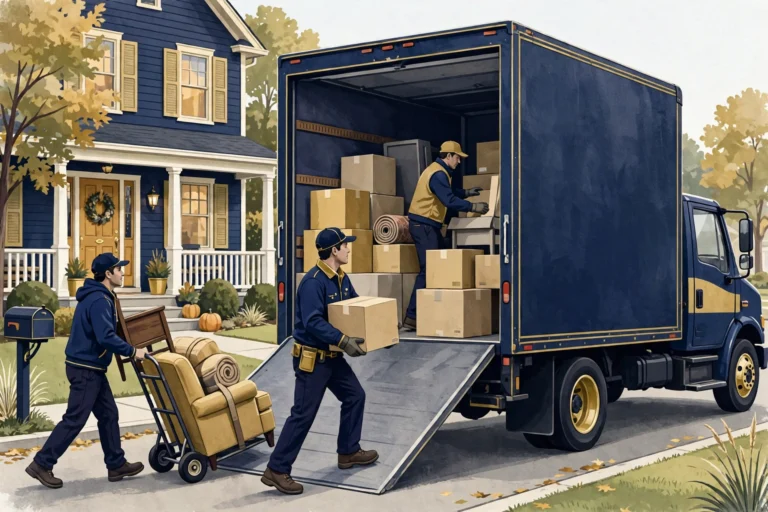
- Flexibility. A lease ends; a house does not. Relocate for a job or try a new neighborhood with a few months’ notice and minimal cost.
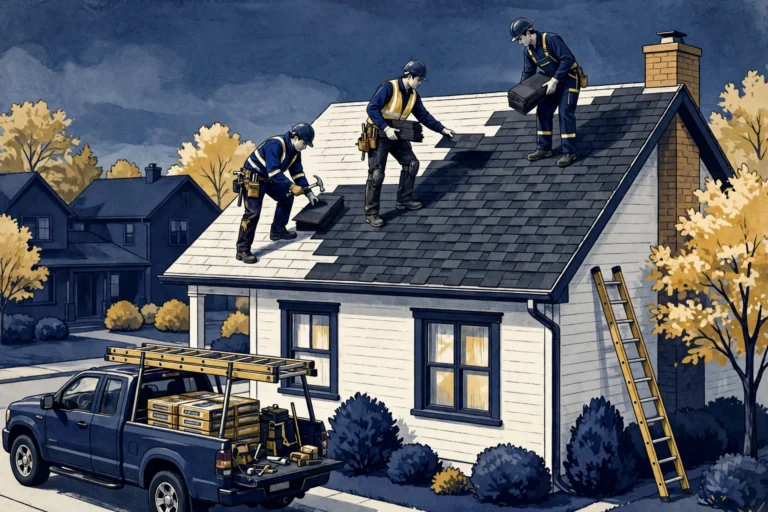
- Predictable costs. Rent, renters insurance, and utilities are the whole bill. The $12,000 roof replacement is your landlord’s problem.
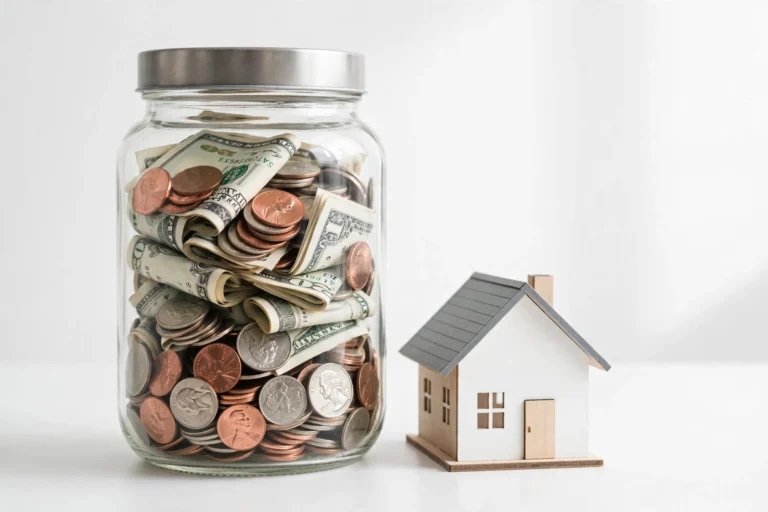
- Lower upfront cost. A deposit and first month’s rent — often a few thousand dollars — versus a down payment plus 2 to 5 percent in closing costs.
- No maintenance burden. Repairs and appliance failures are handled by someone else, saving money and weekends.
- Access to expensive markets. Rent a home you could never afford to buy and live where the jobs are without stretching your finances to the breaking point.
- Capital stays liquid. Money not tied up in a down payment can be invested in assets that historically outpace home appreciation.
Cons of Renting
- No equity. Every payment builds someone else’s net worth. You never own the asset, no matter how long you stay.
- Rents rise. Typical increases of 3 to 5 percent per year compound relentlessly — $1,800 in rent can exceed $2,700 within a decade.
- Limited control. No remodeling, possible pet restrictions, and no say when the landlord sells, raises rent, or declines to renew.
- Instability. Forced moves cost money and disrupt your life.
- Missed tax benefits. Mortgage interest and property tax deductions for itemizers, plus up to $250,000 ($500,000 married) of tax-free gain on a home sale — renters get none of this.
Pros of Buying
- Equity building. Each payment converts part of your housing cost into ownership — a large, forced-savings asset over time.
- Payment stability. A fixed-rate mortgage locks in principal and interest for 30 years while rents climb. Taxes and insurance still rise, but the biggest line item never does.
- Appreciation leverage. With 10 percent down, a 3 percent rise in home value is a 30 percent return on your cash — leverage cuts both ways, but it is a powerful wealth builder in rising markets.
- Control and stability. Renovate, adopt the dog, paint the walls purple. Nobody can decline to renew your “lease.”
- Tax advantages. Deductions for itemizers plus the capital gains exclusion on a primary residence can be worth thousands per year.
- Retirement hedge. Once the mortgage is paid off, housing costs collapse to taxes, insurance, and maintenance — an enormous late-life advantage.
Cons of Buying
- Massive upfront cost. Down payment plus closing costs tie up tens of thousands that could have been invested.
- Costs that never build equity. Property taxes (often 1 to 2 percent of value per year), insurance, HOA dues, and maintenance (~1 percent of value per year) are real money that buys you nothing.
- Illiquidity. Selling costs roughly 6 to 8 percent and takes months. A house is wealth you cannot tap quickly.
- Concentration risk. Much of your net worth sits in one asset in one neighborhood.
- Reduced mobility. A cross-country job offer becomes a complicated, expensive problem instead of a plane ticket.
- Early payments are mostly interest. In the first years of a 30-year loan, often two-thirds or more of each payment goes to the bank — you are “renting from the lender” while equity builds slowly.
Side-by-Side Comparison
| Factor | Renting | Buying |
|---|---|---|
| Upfront cost | Low (deposit + first month) | High (down payment + 2–5% closing) |
| Monthly predictability | High, until renewal | Fixed P&I; taxes/insurance rise |
| Long-term wealth | Depends on investing the difference | Equity + appreciation, minus costs |
| Flexibility | High | Low |
| Maintenance | Landlord’s problem | Yours (~1% of value/year) |
| Tax benefits | None | Deductions; sale exclusion |
| Inflation protection | None — rents rise | Strong — payment locked |
| Key risk | Rent hikes, forced moves | Market drops, repairs |
The 5% Rule: A Quick Gut Check
The 5% rule says the true annual cost of owning is roughly 5 percent of the home’s value: about 3 percent cost of capital, 1 percent property tax, 1 percent maintenance. Compare that to the annual rent of an equivalent home. If a $400,000 home costs roughly $20,000 per year to own but rents for $18,000, renting is probably the better deal. It is a rough screen, not a verdict — it ignores appreciation, taxes, and your timeline — but it beats comparing a mortgage payment to rent. Ground it in reality by checking what you can afford and current mortgage rates first.
Condo vs. House: The Nuances Calculators Miss
Condos change the math: HOA dues of a few hundred dollars per month never build equity and can spike after special assessments, making condos harder to justify on pure math than a comparable house. But condos remove most maintenance and often sit in walkable areas where equivalent rents are also high, narrowing the gap. Houses give you land — which is what actually appreciates — plus control and no HOA, but the full maintenance load. Always add HOA dues to the ownership column; ignoring them is the most common way condo buyers fool themselves.
When Renting Wins
Renting is usually the smarter move when you will likely move within 5 to 7 years, when your local price-to-rent ratio sits above 20, when your career is in flux, when buying would leave no room for savings, or when you will actually invest the difference. A disciplined renter who invests the down payment and monthly savings can out-build a homeowner’s equity over a decade — the math only punishes renters who spend the difference.
When Buying Wins
Buying usually wins when you will stay at least 7 to 10 years, when the price-to-rent ratio is 15 or below, when you have 10 to 20 percent down plus an emergency fund without raiding retirement, and when total monthly ownership costs — not just the mortgage — fit comfortably. On your way out of renting, know your rights: for example, how long a landlord has to return a security deposit in Texas varies by state, and recovering that money matters when assembling a down payment. Once you own, appealing an inflated property tax assessment is one of the highest-ROI hours a homeowner can spend.
FAQs
Is it better to rent or buy in 2026?
It depends on your timeline and market, not the year. Elevated rates versus the 2020–2021 lows tilt the math toward renting for shorter stays — but in affordable markets with low price-to-rent ratios, buying still wins on horizons of 5-plus years. Run your own numbers rather than following national headlines.
What is the 5% rule for renting vs buying?
It estimates annual ownership costs at roughly 5 percent of the home’s value (3 percent cost of capital, 1 percent property tax, 1 percent maintenance) versus annual rent for an equivalent home. If ownership costs more than rent, renting likely wins. A quick screen, not a replacement for a full calculation.
Are condos a good compromise?
Sometimes. Condos cost less than houses and remove most maintenance, but HOA dues never build equity and can spike. Include dues in your ownership cost and watch for pending special assessments.
How long must I stay for buying to beat renting?
Typically 5 to 10 years, depending on your market’s price-to-rent ratio, down payment, and transaction costs. Affordable markets can break even in 3 to 4 years; expensive coastal markets can take well over a decade.
Does buying always build wealth faster?
No. Buying builds wealth through forced savings and leverage, but a disciplined renter who invests the difference can match or beat a homeowner’s equity — especially over shorter horizons or in expensive markets. The homeowner’s real edge is that the “investment” happens automatically.
What hidden buying costs do people forget?
Closing costs (2 to 5 percent), selling costs (6 to 8 percent), maintenance (~1 percent of value per year), and the opportunity cost of the down payment. Together they often total tens of thousands of dollars invisible in a mortgage-vs-rent comparison — and they are why short stays favor renting.