Your offer on a home was just accepted, and then your agent asks for a check for several thousand dollars, due within a few days, before you have even had the inspection. That check is earnest money, and if you have never bought a home before, it can feel like a surprise bill.
It is not a fee, and it is not extra money on top of the price. It is a deposit that shows the seller you are serious, and in most cases it counts toward what you already owe at closing. What matters is knowing when you get it back and when you lose it.
The quick answer
Earnest money is a good faith deposit, typically 1 to 3 percent of the price, paid after your offer is accepted. It is held in escrow and applied toward your down payment or closing costs at closing. Cancel under a contingency and you usually get it back; back out for another reason and you usually lose it.
What is earnest money?
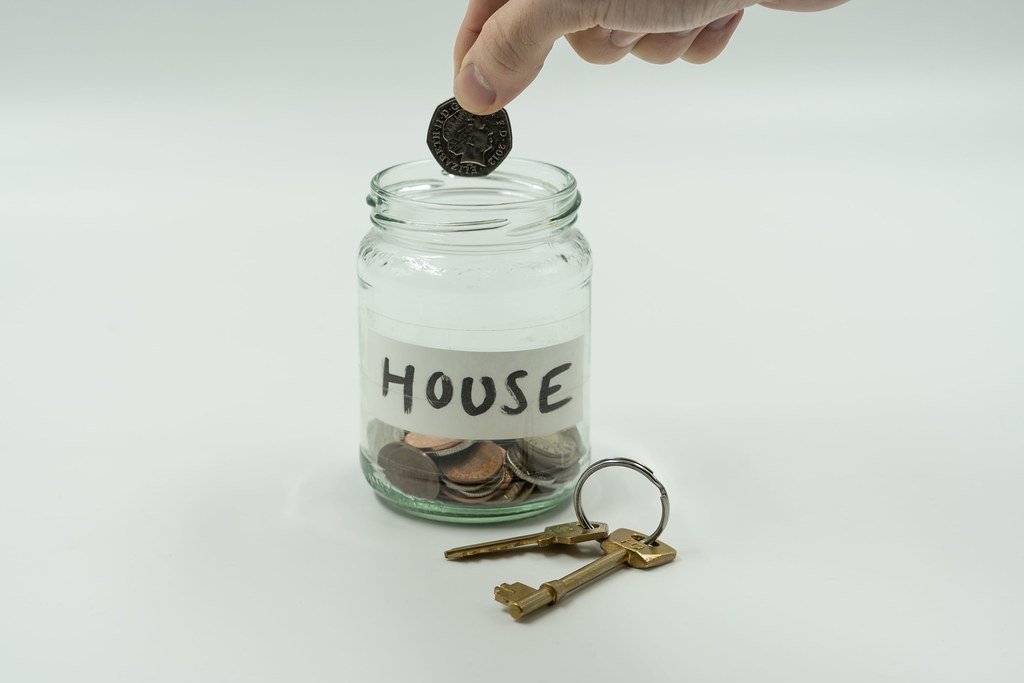
Earnest money is an upfront payment that goes toward the home’s eventual sale price and shows the seller that the buyer is serious about completing the purchase. Rocket Mortgage describes it the same way: a good faith deposit, paid with the offer, that signals intent.
Think about it from the seller’s side. Once a seller accepts your offer, the home comes off the market. If you walk away weeks later, the seller has lost time and other offers. Earnest money gives the seller some protection against that.
The deposit is not paid to the seller directly. It typically goes into an escrow account, held by a neutral third party such as a title company or a licensed broker, until the deal closes or is canceled.
How much earnest money do you pay?
Earnest money is typically around 1 to 3 percent of the sale price, according to Rocket Mortgage, and it is held in escrow until the deal is complete. The exact amount depends on what is customary in your market. Offering closer to 3 percent can help you win a bid in a low-inventory market.
| Home price | 1 percent | 2 percent | 3 percent |
|---|---|---|---|
| 250,000 dollars | 2,500 dollars | 5,000 dollars | 7,500 dollars |
| 300,000 dollars | 3,000 dollars | 6,000 dollars | 9,000 dollars |
| 400,000 dollars | 4,000 dollars | 8,000 dollars | 12,000 dollars |
There is no federal law setting a minimum or maximum. The amount is negotiable, and your agent will know what is normal in your area. A larger deposit strengthens your offer, but it puts more of your money at risk if the deal falls apart.
You usually pay the deposit within a few days of signing the purchase agreement. Your contract sets the deadline, so read it and calendar it. A missed deposit deadline can itself be a breach of the contract.
Earnest money is not the down payment
This is the confusion that causes the most trouble. The down payment is your full equity contribution at closing, usually 3 to 20 percent of the purchase price. Earnest money is a fraction of that, paid weeks earlier to hold the home under contract. At a successful closing, the earnest money is applied as a credit toward the down payment or closing costs. It is not returned as a separate check, and it is not an extra cost on top of the price.
Rocket Mortgage gives a simple example: if you gave a deposit of 5,000 dollars and need to make a 10,000 dollar down payment, you only provide 5,000 dollars at closing, using the earnest money to cover the rest.
Worked example: a 350,000 dollar home with a 2 percent deposit
This is a labeled example. It uses a 10 percent down payment to show how the credit works.
| Figure | Amount |
|---|---|
| Home price | 350,000 dollars |
| Earnest money at 2 percent | 7,000 dollars |
| Down payment at 10 percent | 35,000 dollars |
| Down payment still owed at closing, after the 7,000 dollar credit | 28,000 dollars |
| Earnest money at 1 percent, for comparison | 3,500 dollars |
| Earnest money at 3 percent, for comparison | 10,500 dollars |
The buyer pays 7,000 dollars into escrow shortly after the offer is accepted. At closing, that 7,000 dollars is credited against the 35,000 dollar down payment, so the buyer brings 28,000 dollars toward the down payment, plus closing costs, to the table. The deposit was part of the down payment all along.
Closing costs are separate. The credit reduces your total cash to close and should appear on your Closing Disclosure. A closing cost calculator can help you estimate the rest of the cash you will need.
When do you get earnest money back?
Earnest money is refundable depending on the terms of your contract. Contingencies are the conditions in your offer that protect you: if one is not met, you can walk away and get your money back.
Home inspection contingency
This lets you hire a home inspector to examine the property. If the inspector finds major defects or repairs that would cost more than a set amount, you can back out of the deal, or negotiate repairs or a price reduction. The inspection period often runs 7 to 14 days from contract signing, so the clock starts fast.
Financing contingency
This protects you if your mortgage application is denied. If you make reasonable efforts to qualify and are denied, a financing contingency lets you back out and get your money back. Without it, failing to qualify could cost you the deposit. Getting pre-approved for a mortgage before you offer reduces this risk, but pre-approval is not a guarantee.
Appraisal contingency
Your lender sends an appraiser to value the home. If the home appraises for less than the purchase price, the lender may not approve the loan for the full amount, because the home will not serve as enough collateral. With an appraisal contingency, you can back out and get your money back, or renegotiate the price.
Some contracts also include a title contingency for liens or ownership problems, and a home-sale contingency if you cannot sell your current home. Each contingency has its own deadline, and you must give written notice before it expires. If the seller backs out without a valid reason, you get the full deposit back.
When does the seller keep it?
You lose the deposit when you back out for a reason no contingency covers, or after your contingencies have expired: you change your mind, find a different home, or miss a deadline and the protection lapses.
Waiving contingencies is the riskiest version of this. In a competitive market, buyers sometimes waive the inspection, financing, or appraisal contingency to make an offer stronger. Once you waive a contingency, that protection is gone. A buyer who waives the financing contingency and is later denied a mortgage cannot use that protection to recover the deposit. Most buyers should never waive a contingency without advice from a real estate or legal expert.
When the seller keeps the deposit, it is usually as liquidated damages under the purchase agreement, compensating the seller for taking the home off the market. The funds do not move automatically: they stay in escrow until both parties sign a mutual release, or a court or arbitrator orders the money released.
How to protect your earnest money
First, always use an escrow account held by a neutral third party. Never hand the deposit directly to the seller.
Second, know your contingencies: what each one covers and when it expires. Third, calendar every deadline the day you sign. A missed written-notice deadline can cost you the full deposit even when your reason for canceling was valid.
Fourth, keep everything in writing. Verbal notice is usually not enough to cancel under a contingency. Send the cancellation in the way your contract requires, and keep a copy. And stay on track with your responsibilities: scheduling the inspection, finishing the loan application, and sending documents on time.
Common mistakes
The most common mistake is thinking earnest money is an extra fee. It is part of your down payment or closing costs, not money on top of the price. Budget for it as money you pay early, not money you lose.
Another mistake is offering a large deposit to win a bidding war without understanding what you are risking. A 3 percent deposit on a 400,000 dollar home is 12,000 dollars. If you waived your contingencies to win, that 12,000 dollars is at risk if anything goes wrong.
A third mistake is assuming the seller gets the money the moment you back out. The escrow agent cannot release funds based on one side’s claim alone. And a fourth is confusing earnest money with the down payment when you plan your cash: you need the earnest money within days of the offer, and the rest at closing. A step-by-step guide for first-time buyers and the average down payment for a first-time buyer can help you plan.
Pros and cons of a larger earnest money deposit
Pros: a larger deposit makes your offer stronger; it shows the seller you have the cash to close; and it can win you a home you want.
Cons: more of your money is at risk if the deal falls apart outside a contingency; the money is tied up in escrow for weeks; and a dispute can take time to resolve.
Frequently asked questions
What is earnest money in simple terms?
It is a good faith deposit, usually 1 to 3 percent of the price, that you pay after your offer is accepted. It is held in escrow and applied toward your down payment or closing costs if the sale closes.
Do I get my earnest money back if the sale falls through?
It depends on your contract. If you cancel under an active contingency, such as inspection, financing, or appraisal, and you give written notice before the deadline, you usually get it back. If you back out for a reason no contingency covers, the seller usually keeps it.
Can I lose my earnest money if my loan is denied?
With a financing contingency in your contract, you can usually get it back if your loan is denied. Without one, the seller can keep the deposit. That is why the financing contingency matters so much, and why pre-approval before you offer is worth doing.
Earnest money asks you to put money down before you know the home is truly yours. Read the contingencies, calendar the deadlines, keep the money in escrow, and never waive a protection you do not fully understand.
This guide explains earnest money in general terms and is not legal or financial advice. Purchase contracts and escrow rules vary by state, so confirm the terms of your own contract with your agent or a qualified real estate attorney before you sign.