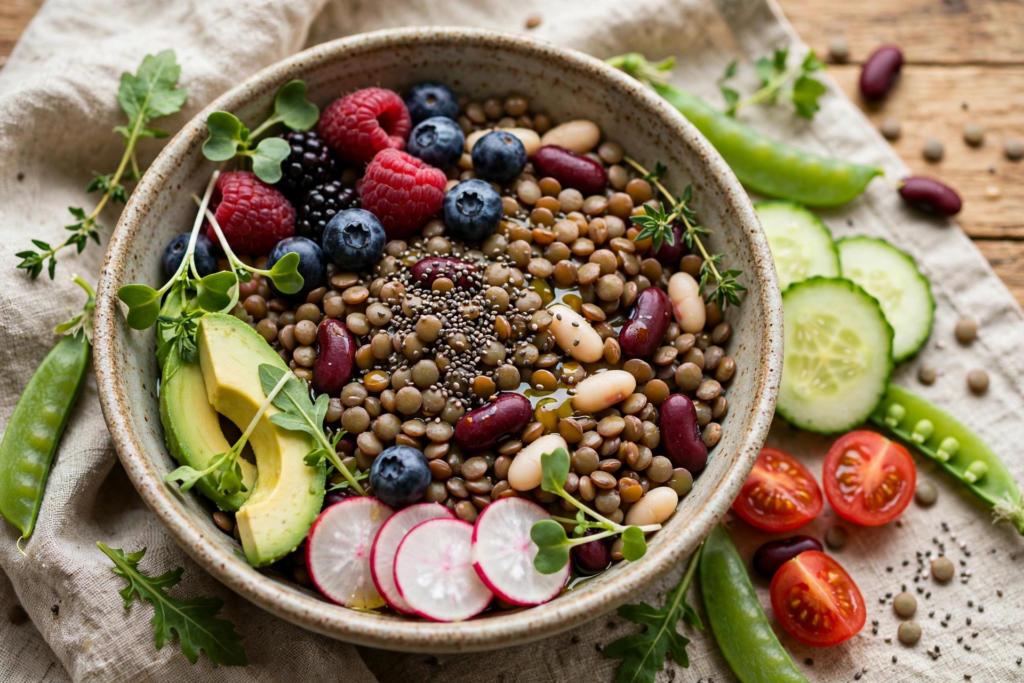
Highest Fiber Foods: 20 Foods Ranked by Fiber Per Serving
If you want more fiber without overhauling your whole diet, the fastest way is to start with the foods that deliver the most fiber in a normal serving. Not per 100 grams on a label, and not in a portion nobody actually eats, but in the cup, fruit, or handful you would realistically put on a plate.
This guide ranks the highest fiber foods by grams per serving, using figures broadly consistent with the USDA National Nutrient Database and USDA FoodData Central. All figures are approximate. Fiber content varies with variety, ripeness, brand, cooking method, and portion size, so treat every number below as a useful estimate, not an exact measurement of your meal.
There is also a practical angle that matters just as much as the ranking: cost. The highest fiber foods on this list are not the most expensive ones. In fact, several of the cheapest foods in a grocery store sit right at the top.
How Much Fiber Do You Actually Need?
The Dietary Guidelines for Americans suggest about 14 grams of fiber for every 1,000 calories eaten. For most adults, that works out to roughly 25 grams a day for women and 38 grams a day for men under age 50, with lower targets of about 21 grams for women and 30 grams for men over 50. Food labels use a single round figure instead: the Daily Value for fiber is 28 grams.
Most people fall short of those targets. That gap is exactly why a ranked list helps. One cup of cooked split peas or lentils alone covers more than half of the 28-gram Daily Value. Add a piece of fruit and a serving of whole grains during the day, and the target stops looking distant.
Two types of fiber show up in these foods, and both are useful. Soluble fiber dissolves in water and is found in foods such as oats, beans, lentils, and fruit. Insoluble fiber does not dissolve, and it is found in foods such as whole grains, vegetables, and the skins of fruit. You do not need to track the two types separately. Eating a mix of legumes, fruit, vegetables, and whole grains will normally cover both.
This article is general information only. It is not personalized medical, nutrition, or health advice. If you have a digestive condition, take medication, or are changing your diet for a health reason, talk to a clinician or registered dietitian first.
The Highest Fiber Foods, Ranked by Fiber Per Serving
The table below ranks everyday foods by fiber in a realistic serving. Cooked values are used for legumes and grains. Fruit and vegetables are listed as eaten, with skin where that is the normal way to eat them.
| Rank | Food | Serving | Fiber (approx.) | Cost tier |
|---|---|---|---|---|
| 1 | Split peas, cooked | 1 cup | 16.3 g | Low |
| 2 | Lentils, cooked | 1 cup | 15.6 g | Low |
| 3 | Black beans, cooked | 1 cup | 15.0 g | Low |
| 4 | Navy beans, canned, drained | 1 cup | 13.0 g | Low |
| 5 | Artichoke, cooked | 1 medium | 10.3 g | Higher |
| 6 | Avocado | 1 whole | About 10 g | Higher |
| 7 | Chia seeds, dried | 1 ounce (about 2 tablespoons) | 9.8 g | Medium |
| 8 | Green peas, cooked | 1 cup | 9.0 g | Low |
| 9 | Raspberries, raw | 1 cup | 8.0 g | Higher fresh, lower frozen |
| 10 | Bulgur wheat, cooked | 1 cup | 8.0 g | Low |
| 11 | Blackberries, raw | 1 cup | 7.6 g | Higher fresh, lower frozen |
| 12 | Whole-wheat spaghetti, cooked | 1 cup | 6.0 g | Low |
| 13 | Barley, cooked | 1 cup | 6.0 g | Low |
| 14 | Pear, with skin | 1 medium | 5.5 g | Medium |
| 15 | Bran flakes cereal | 3/4 cup | 5.5 g | Low |
| 16 | Broccoli, cooked | 1 cup | 5.0 g | Low |
| 17 | Quinoa, cooked | 1 cup | 5.0 g | Medium |
| 18 | Apple, with skin | 1 medium | 4.5 g | Low |
| 19 | Brown rice, cooked | 1 cup | 3.5 g | Low |
| 20 | Almonds | 1 ounce (about 23 nuts) | 3.5 g | Medium |
Cost tier is a relative guide, not a price quote. “Low” means the food is typically among the cheapest sources of fiber per serving in its category. Prices vary by store, season, brand, and region, and frozen or dried versions are often cheaper than fresh ones for the same food.
A few patterns jump out right away. Legumes dominate the top of the list, seeds are the most concentrated source by weight, raspberries lead the fruit category by a clear margin, and whole grains beat refined grains by several grams per serving. The rest of this guide breaks those patterns down so you can use them.
Why Legumes Win the Ranking
Split peas, lentils, black beans, and navy beans take the top four spots for a simple reason: a cooked cup weighs close to 200 grams, and much of that weight is fiber-rich seed material. One cup of cooked split peas gives about 16.3 grams of fiber. Lentils are close behind at about 15.6 grams per cooked cup, and black beans at about 15 grams.
Legumes also bring protein and minerals along with the fiber, which makes them unusually filling for their cost. Dried lentils and split peas are among the cheapest foods in the store per serving, they keep for months in a pantry, and lentils in particular cook quickly with no overnight soaking. Canned beans are the convenient alternative: draining and rinsing them is a simple way to cut sodium, and the fiber stays largely intact.
Practical meal ideas, not recipes, show how easily legumes fit into a normal day. A bowl of lentil soup for lunch, black beans added to tacos or a grain bowl, chickpeas tossed into a salad, or split peas served as a thick soup with bread all deliver a large share of a day’s fiber in a single dish. If beans are new to your diet, start with a smaller portion, such as half a cup, and build up over days rather than jumping straight to a full cup.
Seeds and Nuts: Small Servings, Dense Fiber
Chia seeds are the standout here. One ounce, about two tablespoons, provides about 9.8 grams of fiber, which is roughly 34 grams of fiber per 100 grams by weight. That density is far higher than any bean or fruit, but the serving itself is small, so chia lands at number seven in a per-serving ranking rather than at the top.
That distinction matters when you compare foods. Rankings by fiber per 100 grams flatter seeds and nuts, because nobody eats 100 grams of chia seeds at once. Rankings by realistic serving are more useful for planning meals, and on that basis chia is still excellent, just not a replacement for a full serving of legumes.
Chia seeds work well stirred into oatmeal, yogurt, or a smoothie, or soaked in milk or a milk alternative for a pudding-style breakfast. Flaxseeds are another useful option at roughly 8 grams per ounce when ground, though they are not in the ranked table above because the ground form is the usual way they are eaten. Almonds, at about 3.5 grams per ounce, add less fiber per serving but bring crunch and staying power to snacks, salads, and grain dishes. Seeds and nuts tend to cost more per serving than dried legumes, so they work best as a fiber booster on top of a cheaper base, rather than as the main source.
Fruit: Raspberries Lead by a Clear Margin
Among common fruit, raspberries are the clear fiber leader at about 8 grams per cup. Blackberries follow at about 7.6 grams per cup. A medium pear with its skin gives about 5.5 grams, and a medium apple with its skin gives about 4.5 grams. A medium banana gives about 3 grams, and a cup of strawberries gives about 3 grams.
The skin matters. Peeling an apple or pear removes a meaningful share of its fiber, so eating them unpeeled, after washing, is the higher-fiber choice. Juice is the opposite story: fruit juice keeps very little of the fiber of whole fruit, so a whole orange is a far better fiber choice than a glass of orange juice.
Fresh berries can be one of the pricier items on this list, especially out of season. Frozen raspberries and blackberries are the budget-friendly workaround, and they keep their fiber well because freezing does not remove it. Frozen berries work well in oatmeal, yogurt, smoothies, and baked oatmeal-style breakfasts. Pears and apples, by contrast, are usually affordable fresh for much of the year and travel well as snacks.
Vegetables: Artichokes, Peas, and Broccoli
The highest fiber vegetable per serving on this list is the artichoke, at about 10.3 grams for one medium cooked artichoke. It is an unusual food, though, and not one most people eat daily. For everyday eating, green peas and broccoli are the more practical leaders: green peas give about 9 grams per cooked cup, and broccoli gives about 5 grams per cooked cup.
Frozen peas deserve special mention on cost. They are typically among the cheapest vegetables per serving, they keep for months in a freezer, and they cook in minutes. A cup of peas alongside a grain and a protein turns an ordinary dinner into a high-fiber meal with almost no extra planning. A medium baked potato with its skin gives about 4 grams, a cup of cooked sweet corn gives about 3.5 grams, and a cup of raw cauliflower gives about 2 grams, which shows how much the choice of vegetable matters even within the same meal.
Avocado sits in its own category here. One whole avocado gives about 10 grams of fiber, while half an avocado, the more typical serving, gives about 5 grams. Avocados are usually priced higher per serving than peas or broccoli, so they are best treated as a fiber-rich addition to toast, salads, tacos, or grain bowls rather than a daily staple for most budgets.
Whole Grains: An Easy Swap With a Big Payoff
Whole grains rarely top a fiber ranking, but they are one of the easiest ways to add fiber because they replace something you already eat. Whole-wheat spaghetti gives about 6 grams per cooked cup, compared with roughly half that for refined pasta. Bulgur wheat gives about 8 grams per cooked cup, barley gives about 6 grams, quinoa gives about 5 grams, and brown rice gives about 3.5 grams.
Bran flakes cereal gives about 5.5 grams per three-quarter cup, and a slice of whole-wheat bread gives about 2 grams. Oats are another reliable choice: a half cup of dry oats, cooked into oatmeal, gives about 4 grams, and adding fruit or seeds on top pushes the total higher.
The money angle here is straightforward. Swapping refined grains for whole grains usually costs little or nothing extra, and bulgur, brown rice, and oats are typically among the cheapest grain options. You do not need a specialty grain to get the benefit. The grain you already buy, in its whole form, is often enough.
The Best Budget Picks for High Fiber
If cost is the deciding factor, the ranking points to a clear shortlist:
- Dried lentils and split peas. The highest fiber per serving and typically the lowest cost per serving on this list. They store well and cook into soups, stews, and grain bowls.
- Dried or canned beans. Black beans, navy beans, pinto beans, and kidney beans all sit in the 12 to 15 gram range per cooked cup. Canned beans cost more per serving than dried beans but save time, and store-brand cans are usually the cheapest option.
- Frozen green peas. About 9 grams per cup, typically cheap, and ready in minutes with no waste.
- Oats, brown rice, bulgur, and whole-wheat pasta. Low-cost grains that add 3 to 8 grams per serving depending on the grain and portion.
- Frozen berries. The same fiber as fresh berries, often at a lower price, with no spoilage risk.
- Apples, pears, and bananas. Affordable fresh fruit that adds 3 to 5.5 grams per piece, with no preparation needed.
The most expensive way to buy fiber is usually through supplements, juices, or specialty health foods. Whole foods on this list deliver more fiber per serving at a lower cost, along with protein, vitamins, and minerals that a supplement does not replace.
A Sample Day That Reaches About 28 Grams
Putting the table to work does not require a special diet. Here is one ordinary day built only from foods in the ranking above, with approximate fiber totals:
- Breakfast: Cooked oatmeal (about 4 grams) with half a cup of raspberries (about 4 grams). Running total: about 8 grams.
- Lunch: Half a cup of cooked lentils (about 7.8 grams) with a slice of whole-wheat bread (about 2 grams). Running total: about 17.8 grams.
- Snack: One medium pear with skin (about 5.5 grams). Running total: about 23.3 grams.
- Dinner: One cup of cooked broccoli (about 5 grams) alongside the rest of your meal. Daily total: about 28.3 grams.
That is the Daily Value of 28 grams, reached without a single supplement and without any unusual food. Swapping the lentils for black beans, the pear for an apple, or the broccoli for green peas would give a similar total. The point is not this exact menu. It is that two high-fiber anchors, one at lunch and one spread across breakfast and snacks, are usually enough.
How to Add Fiber Without Overdoing It
A common mistake is jumping from very little fiber to a large amount in one day. That can cause bloating and discomfort, which puts people off fiber entirely. A steadier approach works better for most people: add one high-fiber food at a time, keep portions moderate at first, and give your body a few days to adjust before adding the next one.
Drinking enough water during the day also matters, since fiber absorbs water as it moves through the digestive system. This is general information, not a prescription, and people with conditions that affect fluid intake should follow their clinician’s guidance rather than a general rule.
Two more practical tips help. First, read the Nutrition Facts panel when you buy packaged foods: a product labeled as a “good source” of fiber can contain less than 3 grams per serving, which is far less than the foods at the top of this ranking. Second, watch portion sizes on seeds and nuts. They are fiber-dense, but they are also calorie-dense, so a measured ounce or two tablespoons is a better guide than a free pour from the bag.
The Bottom Line
The highest fiber foods are not exotic, and they are not expensive. Split peas, lentils, and black beans lead the ranking at 15 to 16 grams per cooked cup. Artichokes, avocados, and chia seeds follow at about 10 grams per serving. Raspberries lead fruit at 8 grams per cup, green peas lead everyday vegetables at 9 grams per cup, and whole grains add a steady 3 to 8 grams per serving on top.
If you remember one thing from this list, make it this: one cup of legumes plus one piece of fruit plus a whole-grain swap covers most of a day’s fiber target on its own. Start with the cheapest foods at the top of the table, add berries or seeds when they fit your budget, and build up gradually. That combination of high fiber and low cost is hard to beat.
Frequently Asked Questions
What food has the highest fiber per serving?
Among everyday foods in realistic servings, cooked split peas top the list at about 16.3 grams per cup, followed by lentils at about 15.6 grams and black beans at about 15 grams per cooked cup. By weight, chia seeds are the most concentrated common source, at about 9.8 grams per ounce, but the serving is much smaller than a cup of legumes.
Which fruit has the most fiber?
Raspberries have the most fiber among common fruit, at about 8 grams per cup, followed by blackberries at about 7.6 grams per cup. Pears with skin (about 5.5 grams each) and apples with skin (about 4.5 grams each) are the most affordable high-fiber fruit for most shoppers.
How much fiber do I need per day?
The Dietary Guidelines for Americans suggest about 14 grams of fiber per 1,000 calories, which works out to roughly 25 grams a day for women and 38 grams a day for men under 50. Food labels use a Daily Value of 28 grams. Individual needs vary, so these figures are general targets, not personal recommendations.
What is the cheapest high fiber food?
Dried lentils, split peas, and beans are typically the cheapest high fiber foods per serving. They also top the ranking for fiber per serving, so they offer the best combination of fiber and value. Frozen green peas, oats, brown rice, and whole-wheat pasta are other low-cost options.
Can I get enough fiber without supplements?
For most people, yes. A day built around legumes, whole grains, fruit, and vegetables can reach the 28-gram Daily Value, as the sample day above shows. Supplements are a separate choice to discuss with a clinician, and they do not replace the other nutrients that whole high fiber foods provide.
Sources and note: Fiber figures in this article are approximate values broadly consistent with the USDA National Nutrient Database and USDA FoodData Central, and with published charts drawing on those sources. Exact values vary by variety, preparation, and portion size.