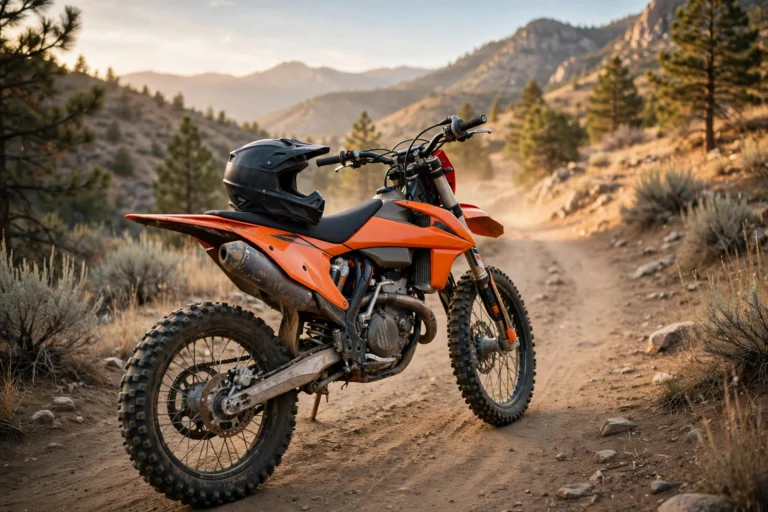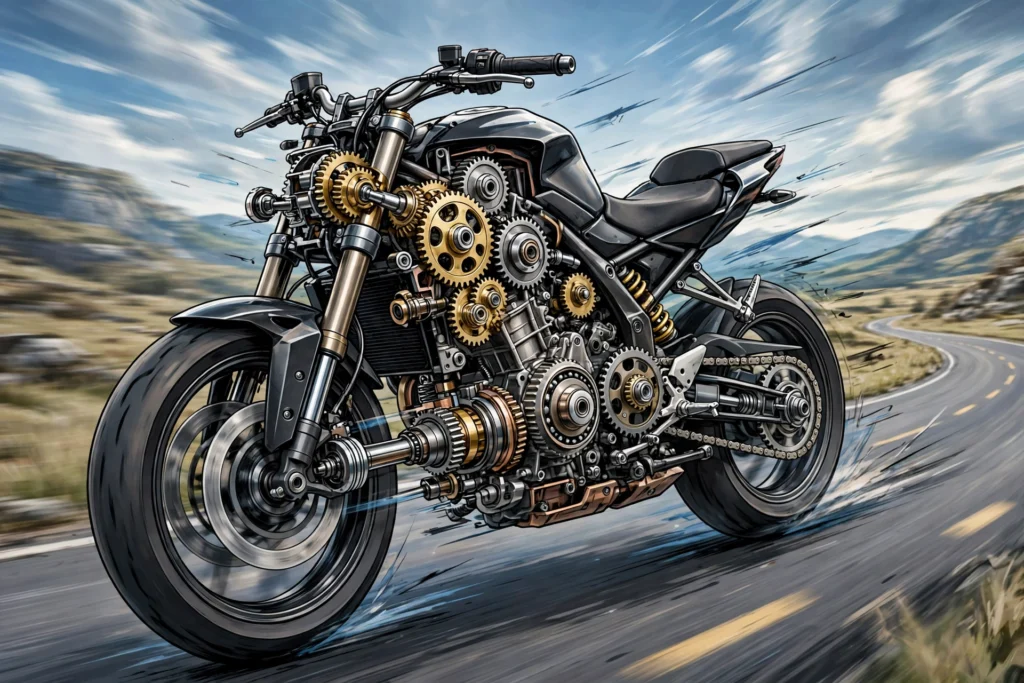
If you have only ever seen a rider work a clutch lever with the left hand and tap a gear lever with the left foot, it is natural to ask: are motorcycles all manual? The short answer is no. Most motorcycles are manual, and manual remains the standard for sport bikes, cruisers, adventure bikes, and most mid-size and large machines. But automatic and semi-automatic motorcycles are real, growing options, and they now cover everything from city scooters to large touring bikes and electric motorcycles.
This guide explains how each system works, what it costs in practical terms, who each type suits best, and what to check before you buy. It is general information only, not personal advice about licensing, training, or a specific purchase. Rules, prices, and model availability vary by country, state, and dealer, so always confirm the details where you live.
The Short Answer
No, motorcycles are not all manual. Here is the balance in plain terms:
- Most traditional motorcycles use a manual sequential gearbox. You operate the clutch and choose each gear.
- Scooters and many small commuter bikes use a continuously variable transmission, often called a CVT. You twist the throttle and go, with no clutch lever and no gear lever to work.
- Some larger motorcycles use a dual-clutch transmission, often called DCT. The bike changes gear by itself in automatic mode, and many models also let you shift with handlebar buttons if you want more control.
- Semi-automatic systems remove the hand clutch but keep foot shifting, or automate the clutch while you still choose gears in another way.
- Most electric motorcycles have a single-speed drive. There is no clutch and no gear shifting at all in normal riding.
So if the idea of learning a clutch puts you off riding, you do have options. If you want the widest choice of models, however, learning manual still opens the most doors.
How a Manual Motorcycle Works
On a typical manual motorcycle, three controls work together:
- The clutch lever, usually on the left handlebar, disconnects the engine from the rear wheel so you can change gear smoothly.
- The gear lever, usually by the left foot, moves through the gears in sequence: one down for first gear, then up through neutral, second, third, fourth, fifth, and often sixth.
- The throttle, on the right handlebar, controls engine speed and power.
Starting from a stop takes coordination. You ease out the clutch while adding a little throttle, find the bite point where the bike starts to move, and then release the clutch fully. Shifting up or down repeats a smaller version of that sequence. Stalling is common for beginners, especially on hills or in slow traffic, and it is not a sign that riding is beyond you. It is simply a skill that improves with practice in a quiet parking lot or a training course.
Manual bikes appeal to many riders for control. You decide exactly when to shift, you can use engine braking by downshifting, and you can hold a lower gear for a hill, a corner, or an overtake. The system is also mechanically simple compared with an automated gearbox, which is one reason manual bikes are so widespread and why parts and servicing are widely available.
The Automatic and Semi-Automatic Options
Automatic does not mean one single technology. The label covers several very different systems, and the differences matter when you shop.
Scooters and CVT: Twist and Go
The most common automatic two-wheeler is the scooter. Most modern scooters use a CVT, a belt-driven system with two variable-width pulleys that changes the gear ratio continuously as speed and load change. There is no clutch lever and no foot shifter. You twist the throttle to go faster and roll off to slow down.
This is why scooters are popular for city commuting and for new riders. There is less to coordinate at a traffic light, no stalling from a badly timed clutch release, and step-through designs often add under-seat storage. The trade-off is that small scooters are built mainly for city speeds and short trips. Larger maxi-scooters are more capable on faster roads, but they are still tuned more for comfort and convenience than for sporty riding. CVT belts also wear over time, so belt inspection and replacement are part of routine scooter maintenance. Check the service schedule for any model you consider.
DCT: An Automatic Gearbox on a Full-Size Bike
A dual-clutch transmission is the best-known automatic system on larger motorcycles. It uses two clutches, one for odd-numbered gears and one for even-numbered gears, so the next gear can be pre-selected and engaged quickly with very little interruption in power. In fully automatic mode, the bike decides when to shift. Many DCT models also offer a manual mode with handlebar buttons, so you can shift without ever touching a clutch lever.
DCT appears mainly on touring and adventure models and on some mid-size bikes. It suits riders who cover long distances, ride in heavy traffic, or want a full-size motorcycle without clutch work. It does add complexity and weight compared with the manual version of the same bike, and servicing can cost more because the system needs its own fluid changes and, on some models, periodic clutch inspection. Always check the service intervals in the owner’s manual rather than assuming they match a manual bike.
Semi-Automatic and Automated Clutch Systems
Between fully manual and fully automatic sits a family of semi-automatic systems. They automate part of the job but not all of it:
- Auto-clutch or centrifugal clutch systems: The clutch engages automatically as engine speed rises, so there is no hand lever to pull. The rider still shifts gears with a foot lever. These are common on small commuter bikes and some trail bikes.
- Automated manual systems: An actuator works the clutch and, on some models, the gear change as well. The rider may shift with buttons or a foot lever, but never operates a clutch lever by hand. Examples include newer automated manual systems from major manufacturers.
- E-clutch style systems: These keep a conventional gearbox but let the rider start, stop, and shift without using the clutch lever in normal riding, while still leaving the lever available if the rider wants it.
The practical point is simple: “no clutch lever” does not always mean “no shifting.” Read the specification for the exact model. If you want true twist-and-go riding, look for CVT, DCT in automatic mode, or an electric single-speed drive. If you are happy to shift but want to skip the clutch, a semi-automatic may be enough.
Electric Motorcycles: No Gears to Shift
Most electric motorcycles use a single-speed reduction drive rather than a multi-gear gearbox. An electric motor delivers strong torque from low speed, so it does not need several gears to stay in a useful power band the way a petrol engine does. Riding is twist and go: throttle for speed, brakes for slowing, and no clutch or gear lever in normal use.
That simplicity is a real advantage in stop-and-go traffic. The costs and trade-offs are different, though. Electric motorcycles typically cost more upfront than a comparable petrol bike, charging takes longer than refuelling, and range depends heavily on speed, weather, and riding style. Running costs can be lower, since electricity is often cheaper per mile than petrol and there is no oil, clutch, or gearbox servicing in the same sense, but tyres, brakes, and battery health still matter. Treat any range or running-cost figure from a manufacturer or dealer as an estimate for ideal conditions, not a guarantee for your commute.
Quickshifters: A Half-Step, Not an Automatic
A quickshifter is worth a brief mention because it is often confused with an automatic gearbox. On a manual bike, a quickshifter briefly cuts engine power when you press the gear lever, so you can shift up, and sometimes down, without using the clutch. The bike is still a manual motorcycle: you choose every gear, and you still need the clutch for starting and stopping. It is a convenience and performance aid, not a replacement for learning to ride a manual.
Manual vs Automatic at a Glance
| Feature | Manual motorcycle | Automatic or semi-automatic |
|---|---|---|
| Clutch lever | Yes, rider-operated | No, on CVT, DCT, and electric models |
| Gear selection | Foot lever, rider chooses each gear | Automatic, buttons, or foot lever depending on system |
| Stalling risk | Yes, mainly for beginners | Very low or none in normal riding |
| Model choice | Widest range, nearly every category | Growing, but fewer models, mainly scooters, touring, adventure, and electric |
| Control | Maximum rider control over gear choice | Less direct control, though DCT manual mode narrows the gap |
| Learning curve | Steeper at first, coordination needed | Easier start, focus stays on steering, throttle, and braking |
| Traffic comfort | More tiring in stop-and-go traffic | Easier in stop-and-go traffic |
| Mechanical simplicity | Simpler gearbox, widely serviced | More complex on DCT and automated systems, servicing may cost more |
| Typical use | Sport, cruising, adventure, touring, commuting | City commuting, touring, adventure, and new-rider starts |
What About Cost?
Transmission type affects price, but it is rarely the only factor. Engine size, brand, features, and whether you buy new or used usually matter more. Use the ranges below as illustrative starting points only, and confirm current prices with dealers in your area.
- DCT premium: On models offered in both manual and DCT versions, the DCT version is often priced higher than the manual version. Published comparisons commonly put that premium in a range around several hundred to a couple of thousand dollars or pounds, depending on the model and market. It is a premium for convenience and technology, not a separate category of bike.
- Scooters: Small CVT scooters are often among the cheapest new powered two-wheelers, with basic models typically priced well below a mid-size motorcycle. Larger maxi-scooters cost considerably more and should be compared with small motorcycles, not with basic scooters.
- Electric motorcycles: Full-size electric motorcycles typically start at a higher price than a comparable petrol bike, with premium models priced well into five figures in dollars or pounds. Smaller electric scooters and commuter models are much cheaper, so the electric label alone does not tell you the price.
- Entry-level manual motorcycles: Small to mid-size manual bikes are often the cheapest route into full-size motorcycling, and the used market widens the choice further. A used bike can cut the purchase price sharply, but budget separately for tyres, brakes, servicing, and safety gear.
Running costs also differ. Manual bikes have clutch plates and cables or hydraulics that wear over time. CVT scooters need belt checks and replacement. DCT bikes need transmission fluid changes at the intervals in the manual. Electric bikes skip petrol and many engine services but still need tyres, brakes, and, eventually, battery attention. No transmission type is maintenance-free, and an automatic does not automatically mean cheaper ownership. Get a servicing quote for the exact model before you decide on cost grounds alone.
Learning to Ride: Does Automatic Change the Licence or Training?
In most places, the licence category depends mainly on engine size, power, and vehicle class, not on whether the bike is manual or automatic. That means an automatic motorcycle usually requires the same motorcycle licence or endorsement as a manual bike of similar size. Small mopeds and low-speed scooters are the main exception in some jurisdictions, where a lower licence category or a standard car licence may be enough below certain engine-size and speed limits. Those limits vary, so check your local motor vehicle authority before assuming a scooter needs no motorcycle licence.
Training is still essential on any bike. A certified beginner course teaches balance, braking, cornering, hazard awareness, and road positioning, none of which disappear when the clutch does. Training costs vary widely by region and provider, and many courses include bike hire and gear. As an illustrative example only, a basic rider course in the United States is often priced in the low hundreds of dollars, while a one-day basic course in the United Kingdom is often priced in the low hundreds of pounds. Treat those as broad ballparks, not quotes, and compare local providers.
One practical warning: if you learn only on an automatic and later want to ride a manual, expect a learning curve. Clutch control, hill starts, and smooth downshifts are separate skills, and they need practice in a safe area before you mix them with traffic. Conversely, if you learn on a manual, you can ride an automatic with very little adjustment, since the hard part, the clutch, is simply absent. That flexibility is a genuine advantage of learning manual, even if you plan to buy an automatic first.
Which Type Should You Choose?
- Choose a manual if: You want the widest choice of bikes, you enjoy sport or adventure riding, you plan to ride a variety of models over time, or you want maximum control and the simplest gearbox to service.
- Choose a CVT scooter if: Most of your riding is short city trips, you want the easiest possible start, you value storage and step-through convenience, and you do not need sustained highway speed.
- Choose a DCT or automated manual if: You want a full-size bike for touring or commuting, you ride in heavy traffic, you want to reduce fatigue and stalling, or a hand clutch is difficult for you, and you accept a higher purchase price and more complex servicing.
- Choose electric if: Your trips fit comfortably within real-world range, you can charge at home or work, you value quiet twist-and-go riding and low running costs, and the upfront price works for your budget.
A test ride settles more than any article can. Ride the same route, if possible, on a manual and on an automatic. Notice how each feels at a traffic light, on a hill start, and in slow traffic. Those are the moments where transmission choice matters most in daily riding.
Common Mistakes to Avoid
- Assuming automatic means slow or small. Large touring and adventure bikes now offer DCT, and electric motorcycles can be quick. Check the model, not the label.
- Assuming automatic means no licence or training. Most full-size automatics need the same licence and training as manuals.
- Assuming automatic means cheaper to own. Purchase price, servicing, and parts can all run higher on complex automated systems.
- Assuming a quickshifter makes a bike automatic. It does not. You still shift every gear and still need the clutch to start and stop.
- Buying on transmission alone. Seat height, weight, riding position, wind protection, storage, and dealer support often matter more day to day than how gears change.
FAQ
Are all motorcycles manual?
No. Most traditional motorcycles are manual, but scooters with CVT, larger bikes with DCT, semi-automatic models, and most electric motorcycles do not require the rider to operate a clutch lever and shift gears manually.
Can you get a fully automatic motorcycle?
Yes. The clearest examples are CVT scooters, DCT motorcycles in automatic mode, and electric motorcycles with a single-speed drive. All three give twist-and-go riding with no clutch lever and no manual gear changes in normal use.
Is an automatic motorcycle easier to learn on?
For most beginners, yes at the start. Removing clutch coordination lets a new rider focus on balance, steering, throttle control, and braking, and it removes stalling from the list of worries. Formal training is still important, and switching to a manual later still takes practice.
Do automatic motorcycles cost more?
Often, yes, when comparing the same model in manual and automatic form. DCT versions typically carry a premium over the manual version, and full-size electric motorcycles typically cost more upfront than comparable petrol bikes. Small CVT scooters are an exception and are often among the cheapest new options.
Can I ride a manual motorcycle if I learned on an automatic?
In most licence systems, yes, provided your licence covers that class of motorcycle. Expect a learning curve, though. Practice clutch control, hill starts, and smooth gear changes in a quiet area before riding a manual in traffic.
The Bottom Line
Motorcycles are not all manual, even though manual is still the default for most full-size bikes. Scooters made twist-and-go riding normal decades ago, DCT and automated manual systems have brought it to larger touring and adventure bikes, and electric motorcycles have made single-speed riding mainstream. The best choice is not about which technology is newest. It is about where you ride, how much control you want, what you can afford to buy and service, and which bike you feel confident handling. Try both types, check the licence rules where you live, and pick the bike that fits your real riding life.